
Ecological materials in construction: trend or necessity?
An analysis of the trend towards ecological building materials and their real impact on human health.
Green building is not just a trend, but a necessity. People spend 90% of their time indoors, so the quality of materials directly affects health.
Green building in Ukraine
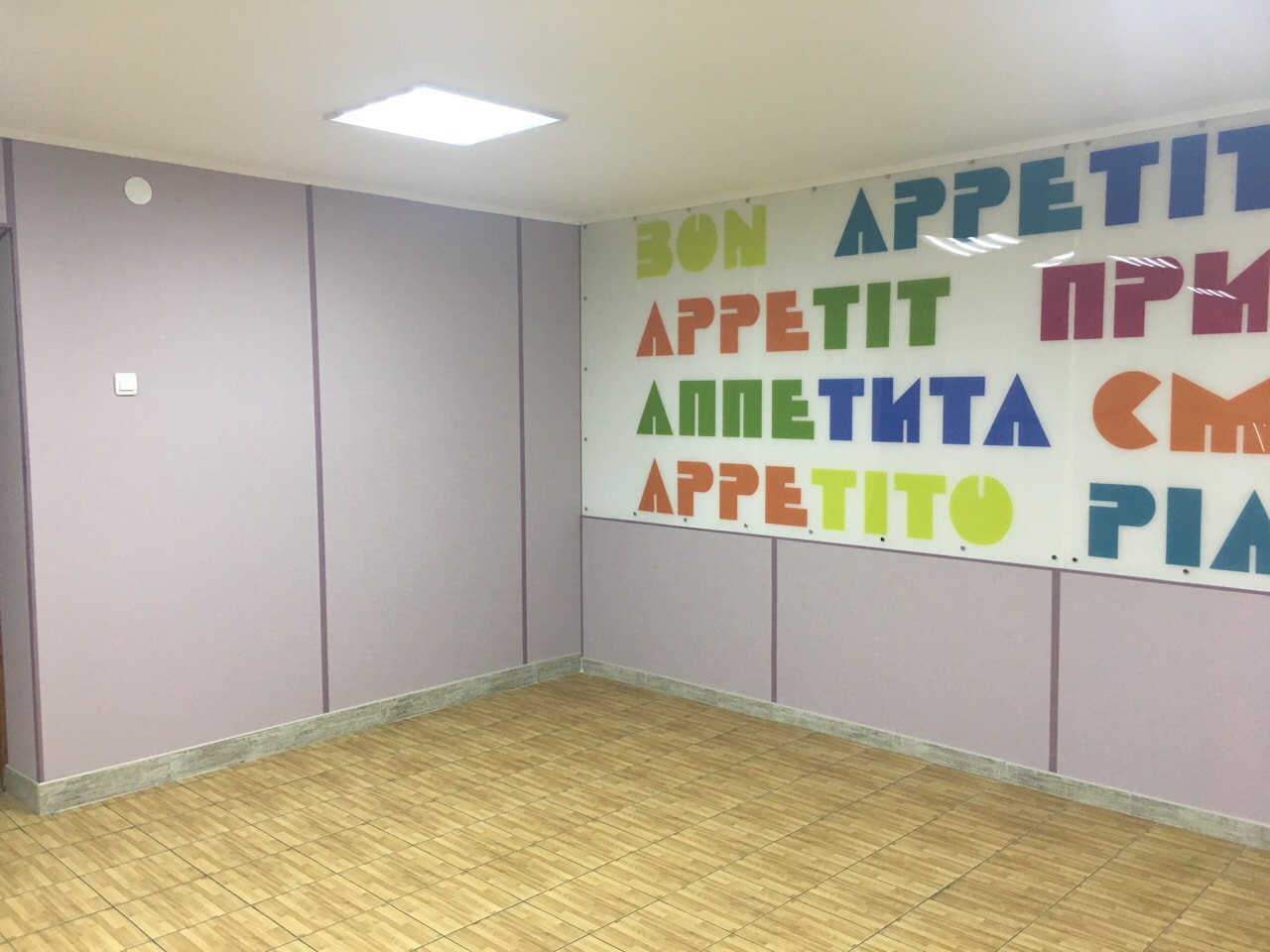
Over the past 5 years, demand for ecological building materials in Ukraine has increased by 150%. This is especially true for kindergartens, schools and medical facilities, where materials are subject to the strictest requirements.
According to WHO research, poor indoor air quality is responsible for 4.3 million deaths annually. Proper choice of finishing materials can significantly improve the situation.
E1 emission class — safety standard
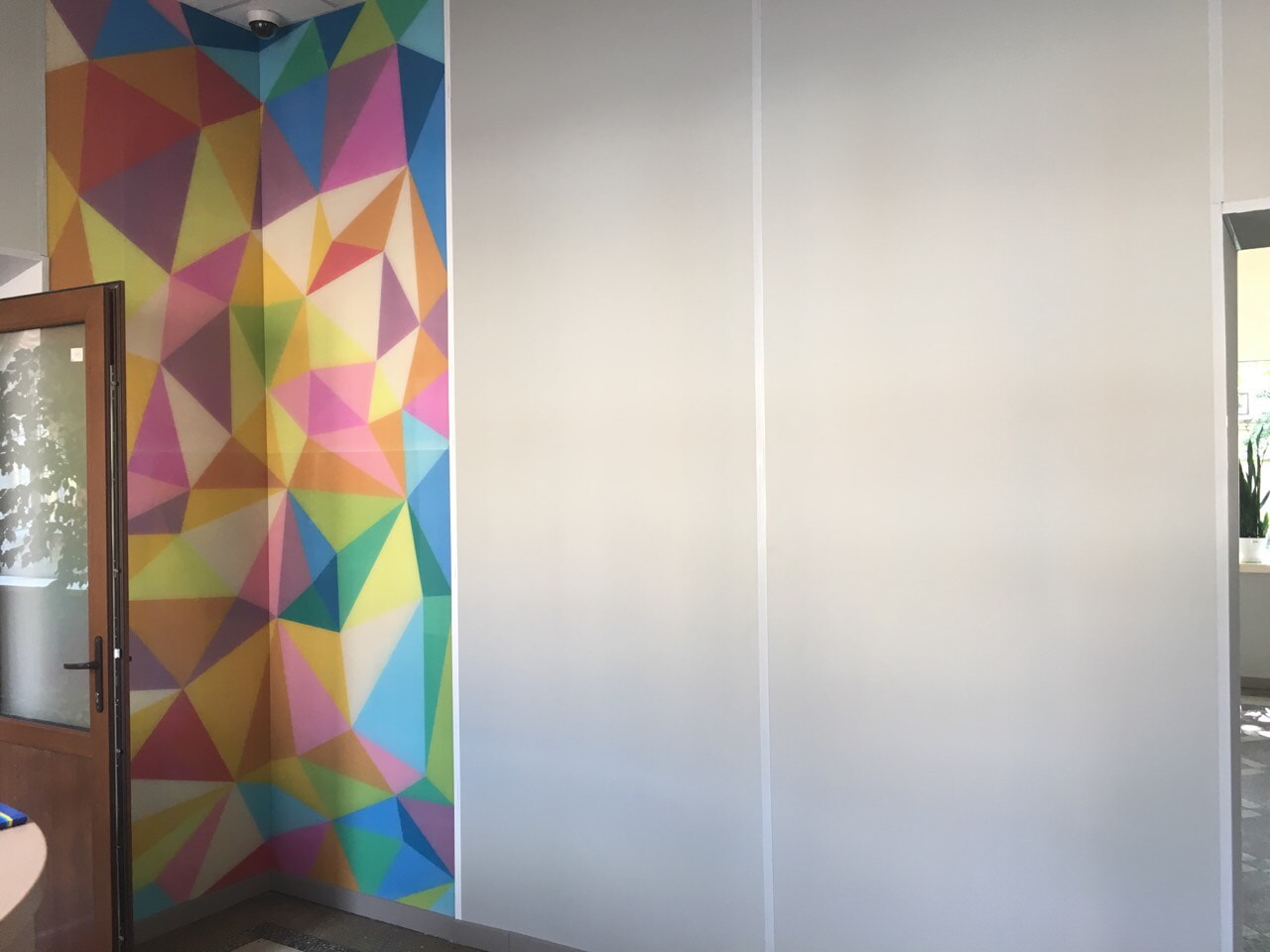
E1 class means a minimum level of formaldehyde emission — no more than 0.1 ppm. This is a safe level for childcare and medical facilities.
Formaldehyde emission classes:
| Class | Emission | Application |
|---|---|---|
| E0 | <0.05 ppm | Strictest requirements |
| E1 | 0.05-0.1 ppm | Childcare, medical facilities |
| E2 | 0.1-0.3 ppm | Limited use |
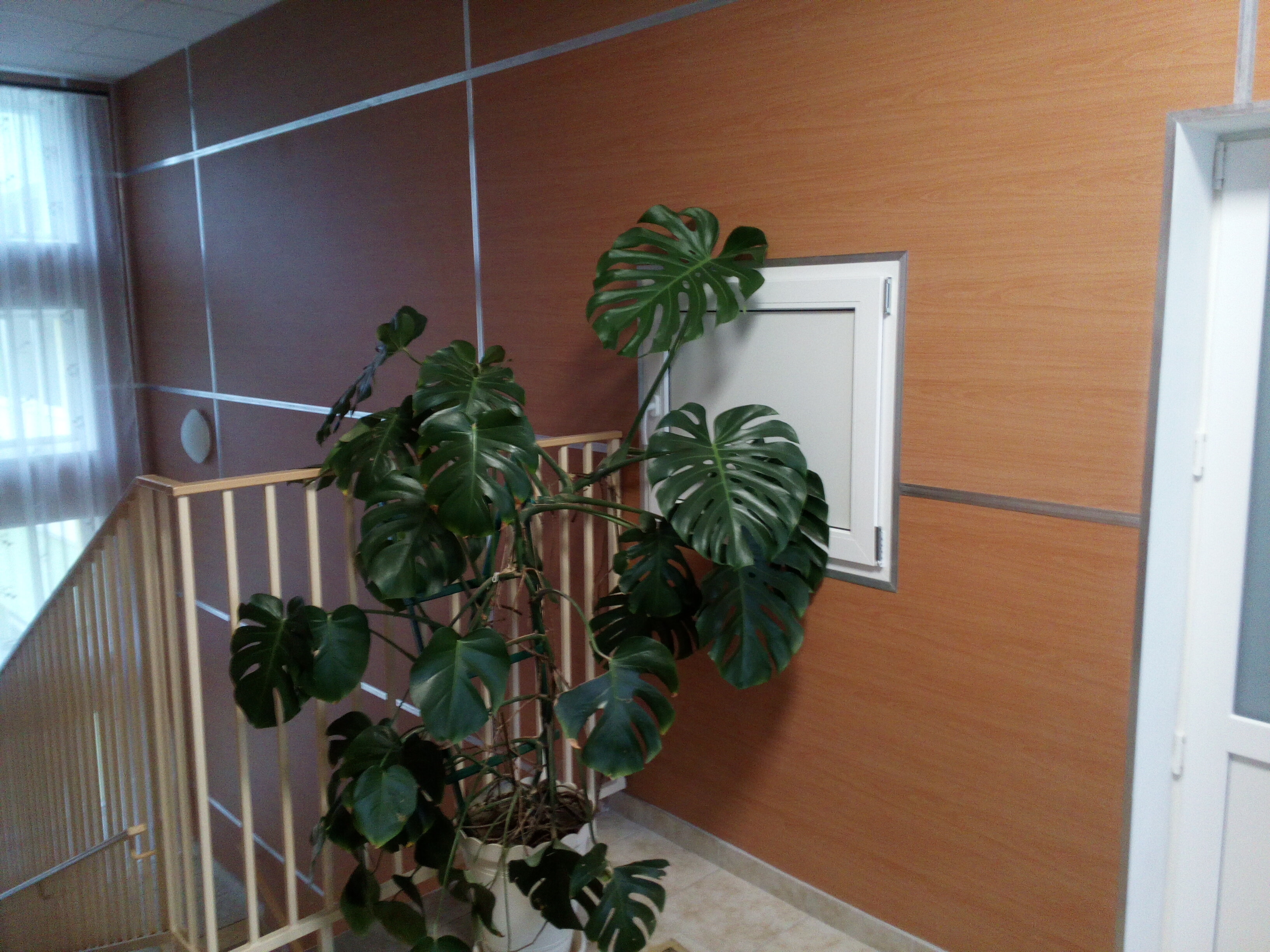
GYPSUN ECO series
The ECO series is made from natural materials and has ISO 14001 certification. The panels are fully recyclable and do not harm the environment.
ECO series characteristics:
- E0 emission class — lowest level
- ISO 14001 certificate — environmental management
- 100% recyclability
- No harmful additives or plasticisers
- Hypoallergenic — safe for allergy sufferers
Conclusion
Investment in ecological materials is an investment in health. This is especially important for facilities with prolonged occupancy: offices, schools, hospitals and residential buildings.