Why Tiles Are Outdated in Hospitals: A New Approach to Medical Interiors
Analysis of tile shortcomings in hospitals and modern panel solutions for medical facilities.
A few decades ago, ceramic tiles were considered the only viable standard for hospitals. They were chosen for ease of maintenance, moisture resistance and their 'sterile' appearance. But modern medicine has changed — and with it, the requirements for medical spaces have evolved.
Today, a hospital is not just a functional building. It is a complex system where work speed, hygiene, safety and process continuity are critical. And this is where tiles begin to lose their position.
⚠️ The Problem With Tiles in Medical Facilities
Despite its apparent practicality, tiles have a number of limitations that become critical in modern conditions:
large number of joints where contamination accumulates
difficulty of long-term disinfection
brittleness and risk of damage
prolonged and 'wet' installation
need to stop or restrict facility operations
In hospitals where every square metre must operate continuously, these factors become a significant drawback.
🧱 A New Generation of Materials
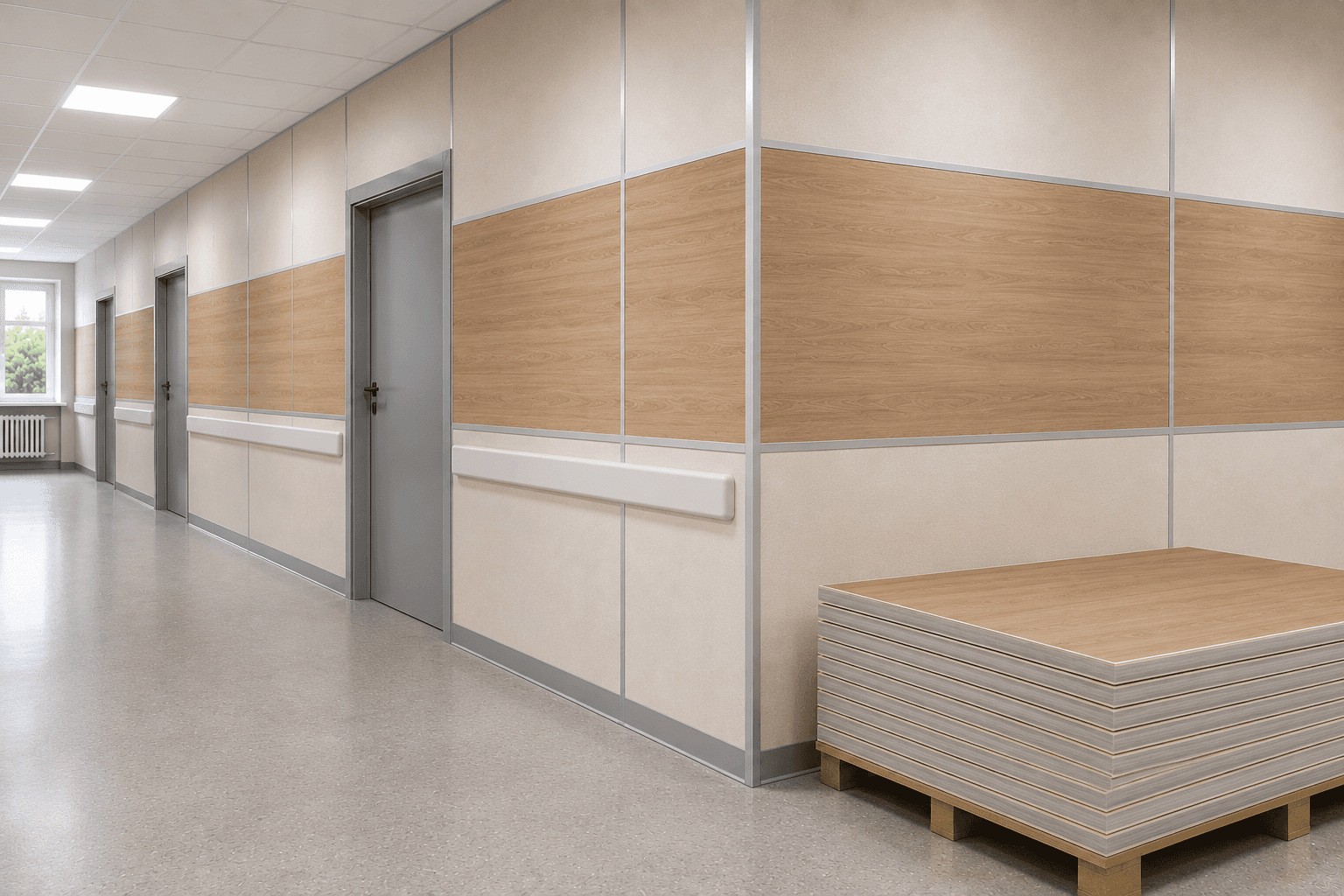
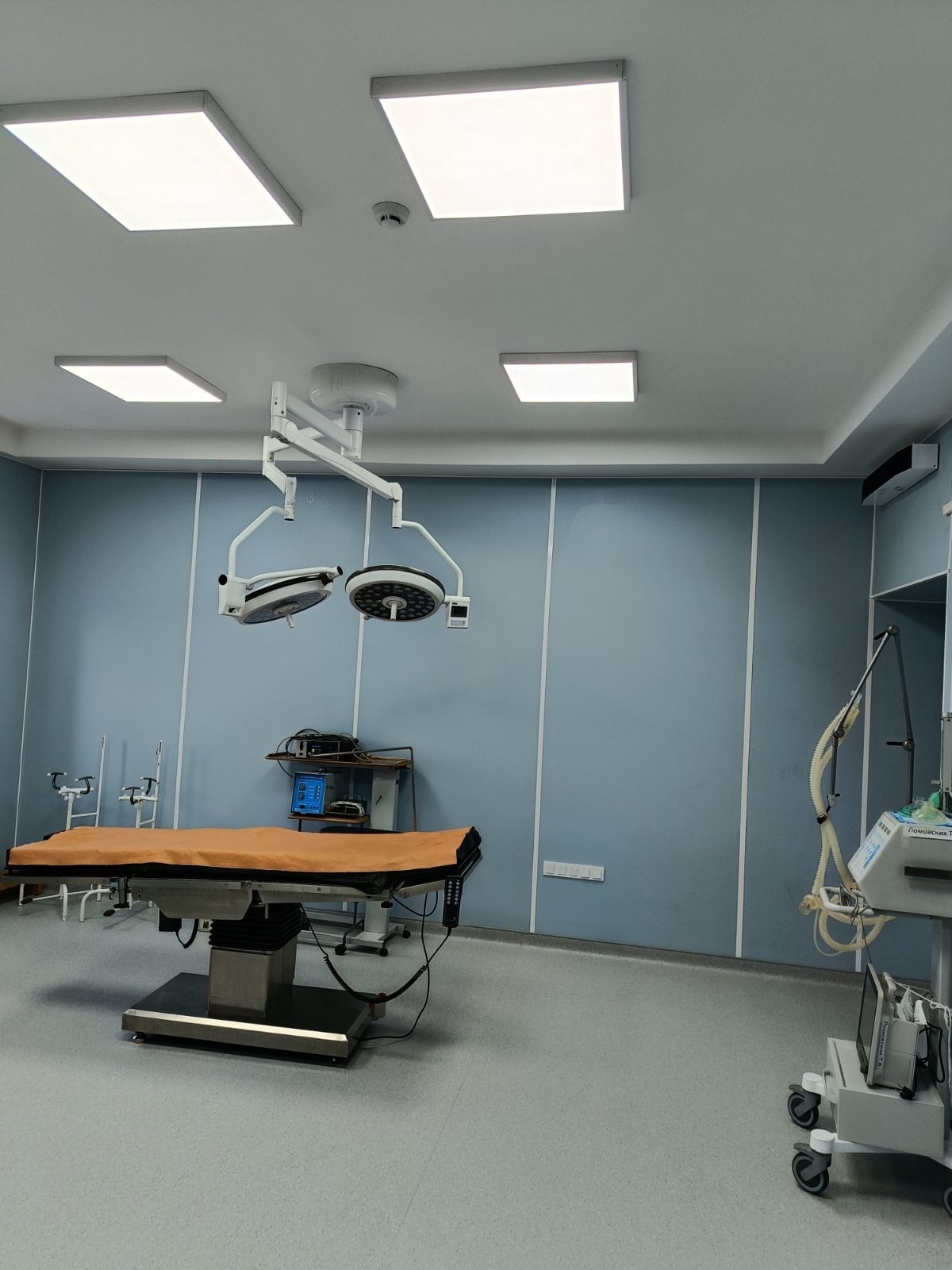
Modern medical facilities are gradually transitioning to panel systems. And the reason is simple — a change in building logic.
Panels allow:
installation without dust and wet processes
minimise renovation time
reduce the number of joints
provide a smooth, hygienic surface
work without interrupting department operations
Particularly important is that modern panel systems meet fire safety requirements, specifically classes G1 and NG, which are critical for medical facilities.
🛡️ Hygiene as a Key Factor
In medicine, a surface is not just a finish. It is part of the safety infrastructure.
Smooth panel systems are much easier to clean, do not accumulate dirt in joints and withstand regular treatment with disinfectants without losing their appearance.
This makes them more predictable in long-term operation than traditional tiles.
⚡ Quick Repairs Without Interrupting Operations
One of the main problems for hospitals is the inability to close rooms for extended periods.
Panel systems solve this challenge through:
quick installation on a frame
absence of 'wet' processes
possibility of phased room renovation
Thus, repairs cease to be a crisis situation and become a managed process.
🔥 Fire Safety as a Mandatory Requirement
Medical facilities are classified as high-security objects. This is why materials must meet the following classes:
G1 — low-combustible materials
NG — non-combustible materials
Modern panel systems allow integration of these requirements without compromising functionality or aesthetics.
🧠 Conclusion
Tiles have served their purpose in the past, but modern medicine demands different solutions.
Today, it is not just the materials that matter, but systems that provide:
hygiene
quick repair time
continuous operation
compliance with fire safety regulations
durability
This is why panel systems are gradually becoming the new standard in medical facilities, replacing traditional materials.