
Технології
Antibacterial Panels: Science for Health Protection
How antibacterial coatings based on silver and copper ions work, their effectiveness and applications.
G
GYPSUN
Author
28 July 2024
8 min
antibacterialsilvermedicinetechnology
Antibacterial coatings are not a marketing gimmick but a serious technology confirmed by numerous studies. Let's understand how they work and where they should be used.
Mechanism of Silver Ion Action
Silver has been used by humanity for antiseptics for millennia. Modern science explains this effect:
- Silver ions penetrate the bacterial cell membrane
- Block the synthesis of enzymes necessary for life
- Damage the DNA of the microorganism
- The bacterium dies within minutes
Effectiveness against pathogens:
| Microorganism | Time to Destruction | Effectiveness |
|---|---|---|
| E. coli | 2 hours | 99.9% |
| Staphylococcus aureus | 4 hours | 99.8% |
| MRSA | 6 hours | 99.5% |
| Candida albicans | 8 hours | 99.2% |
GYPSUN AntiBac Technology
Our technology uses silver nanoparticles integrated directly into the coating structure. This provides:
- Continuous action throughout the lifetime
- Non-toxic for humans
- Resistance to washing and disinfection
- Effectiveness against a wide range of pathogens

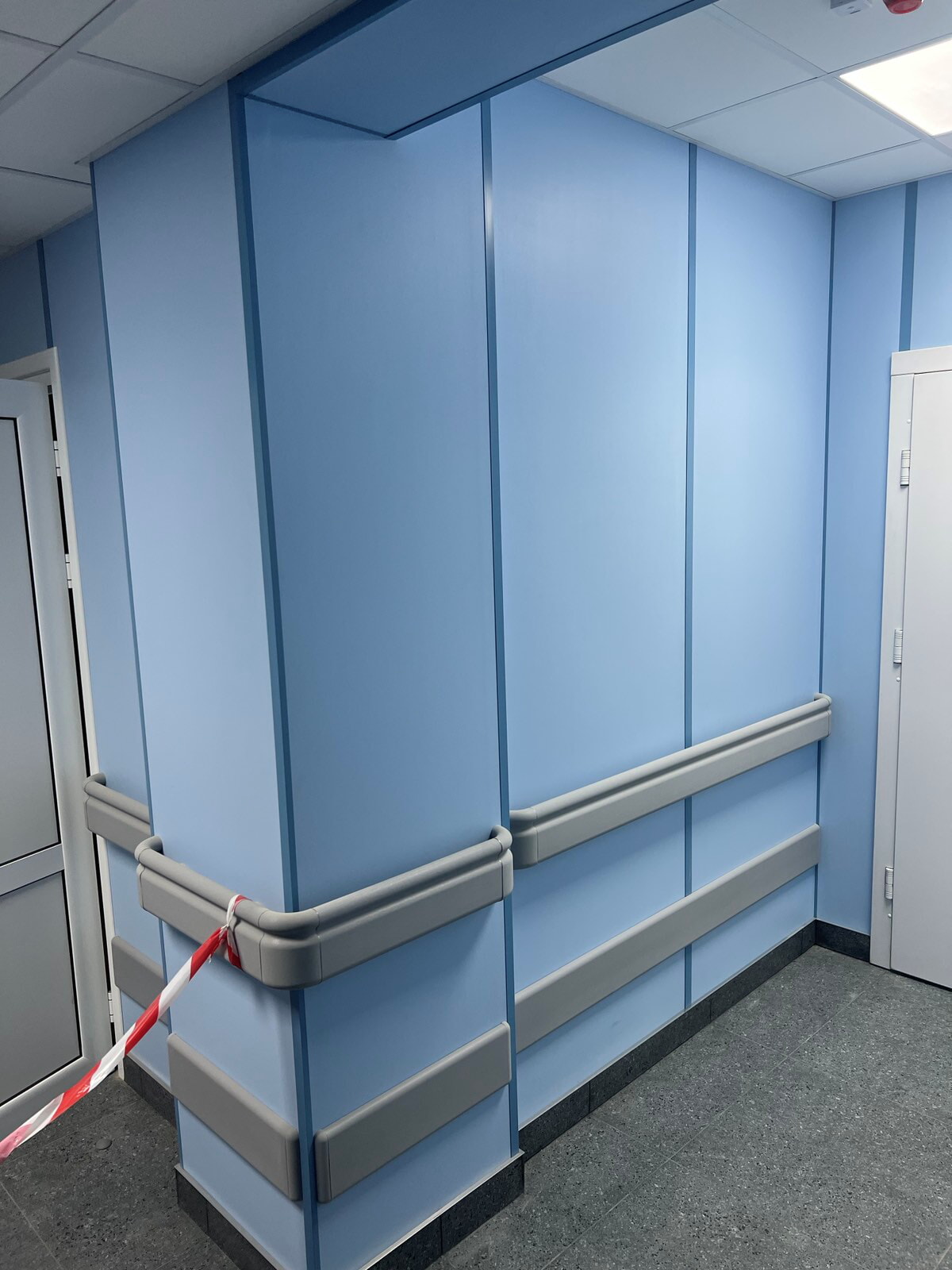
GYPSUN AntiBac panels are certified to ISO 22196 and recommended for use in medical facilities, nurseries and food production.
Economic Viability
Although antibacterial panels cost 15-20% more, they pay for themselves through:
- Reduced disinfection costs
- Reduced risk of hospital-acquired infections
- Extended service life