Particle Board in Interior Finishing: Capabilities, Limitations and Modern Alternatives
Overview of particle board use in interior finishing, its role in interiors and modern requirements for material safety and durability.
In modern interiors, materials have ceased to be merely functional. They shape the atmosphere of space, influence its durability and even determine the level of safety. One of the most common materials in interior finishing remains particle board—a wood-chip composite, which for decades has been used in furniture manufacturing and room finishing.
The popularity of particle board is easily explained: affordability, relatively low cost, ease of processing and a wide range of decorative coatings made this material a mass solution for residential and commercial facilities. Particle board was actively used for furniture, partitions, decorative panels and interior elements.
However, with the development of building codes and increasing safety requirements, attitudes towards this material have changed. Today, particle board is no longer viewed as a universal solution, but as a material with certain limitations.
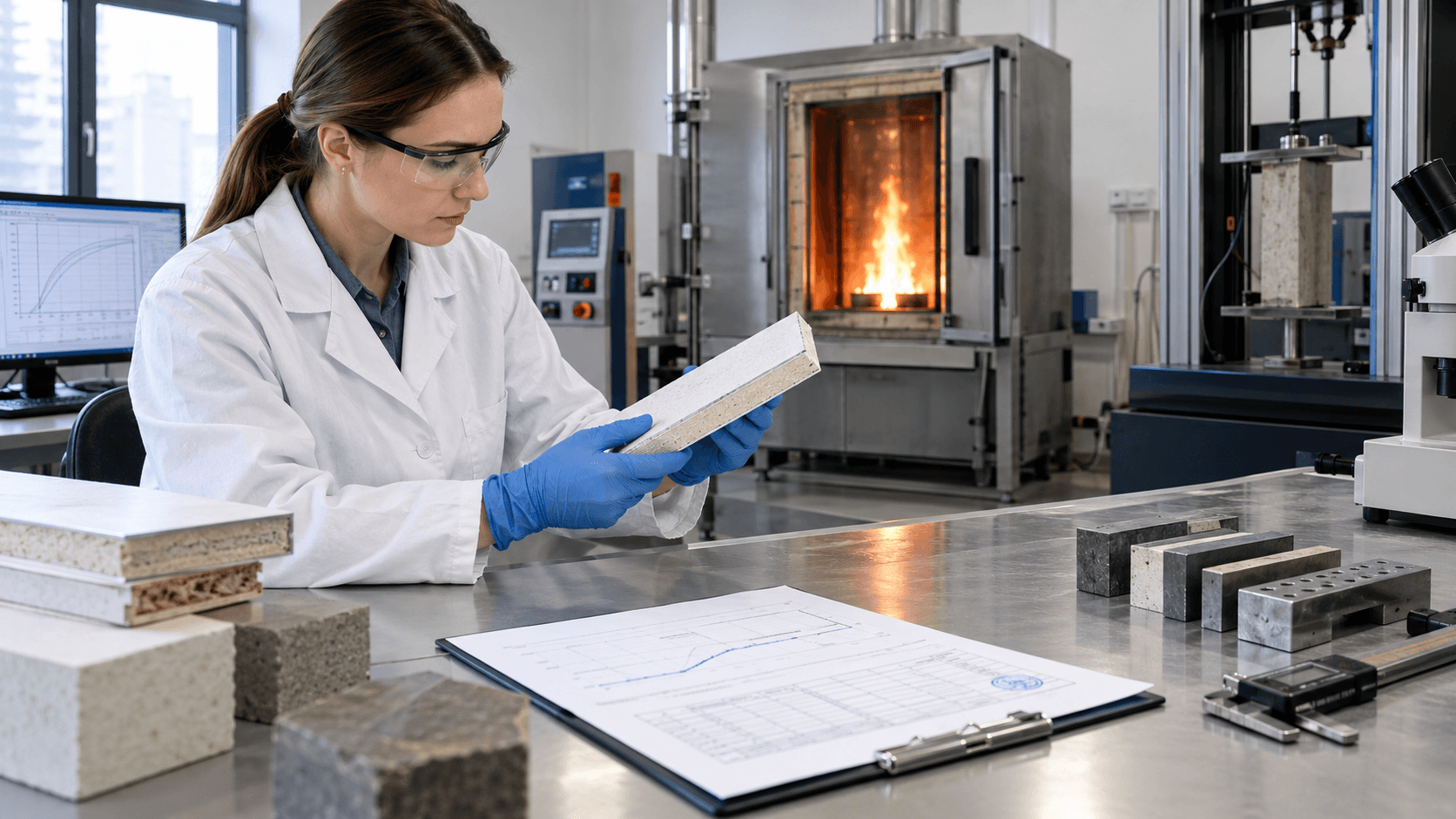
One of the key factors is fire safety. Particle board is made from wood chips using synthetic resins. This means the material has combustible components and can support fire spread depending on operating conditions. In rooms with elevated safety requirements, this becomes an important aspect when choosing finishes.
The second factor is moisture. Particle board is sensitive to water and temperature fluctuations. With prolonged water contact, the board can warp, lose geometry or deteriorate at the edges. This is why its use in medical facilities, schools or administrative buildings often requires additional protection or is limited to certain zones.
Hygiene aspects should also be considered. Particle board surfaces are typically coated with laminate or other decorative layers. However, at joints and in areas of mechanical damage, water can penetrate. In the long term, this affects the material's operational characteristics.
Despite this, particle board remains an important part of the interior industry. It is widely used in furniture manufacturing, in creating cabinet structures, office solutions and decorative elements. Its popularity is sustained by economic factors and market availability.
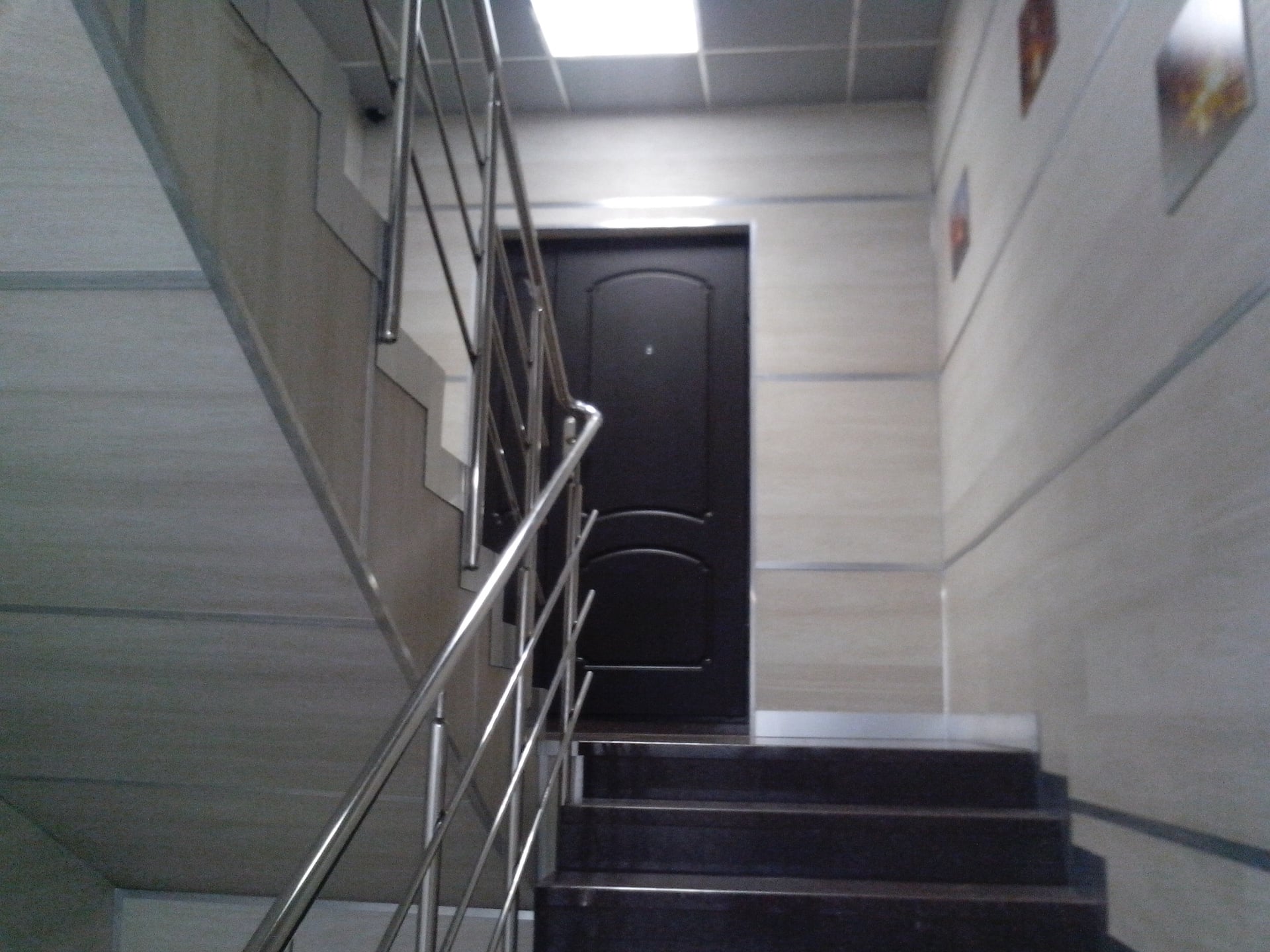
Modern building trends, however, are moving towards materials with higher fire safety and durability. In public buildings, panel systems with combustibility classes G1 or non-combustible solutions NG are increasingly applied. Such materials ensure controlled behaviour when exposed to high temperatures and comply with building code requirements.
In this context, particle board is gradually moving to the segment of furniture and auxiliary structures, whilst wall systems and large finishing areas are chosen for more technological solutions. This does not mean a complete abandonment of the material, but emphasises the need for its correct application in accordance with operating conditions.
A journalistic perspective on particle board allows us to see it as a material of its time—practical, affordable and mass-produced. However, modern requirements for safety, durability and compliance with standards shape new standards for interior solutions. This is why the choice of material today is not merely a matter of design, but a comprehensive solution that accounts for functionality, regulations and long-term operation.