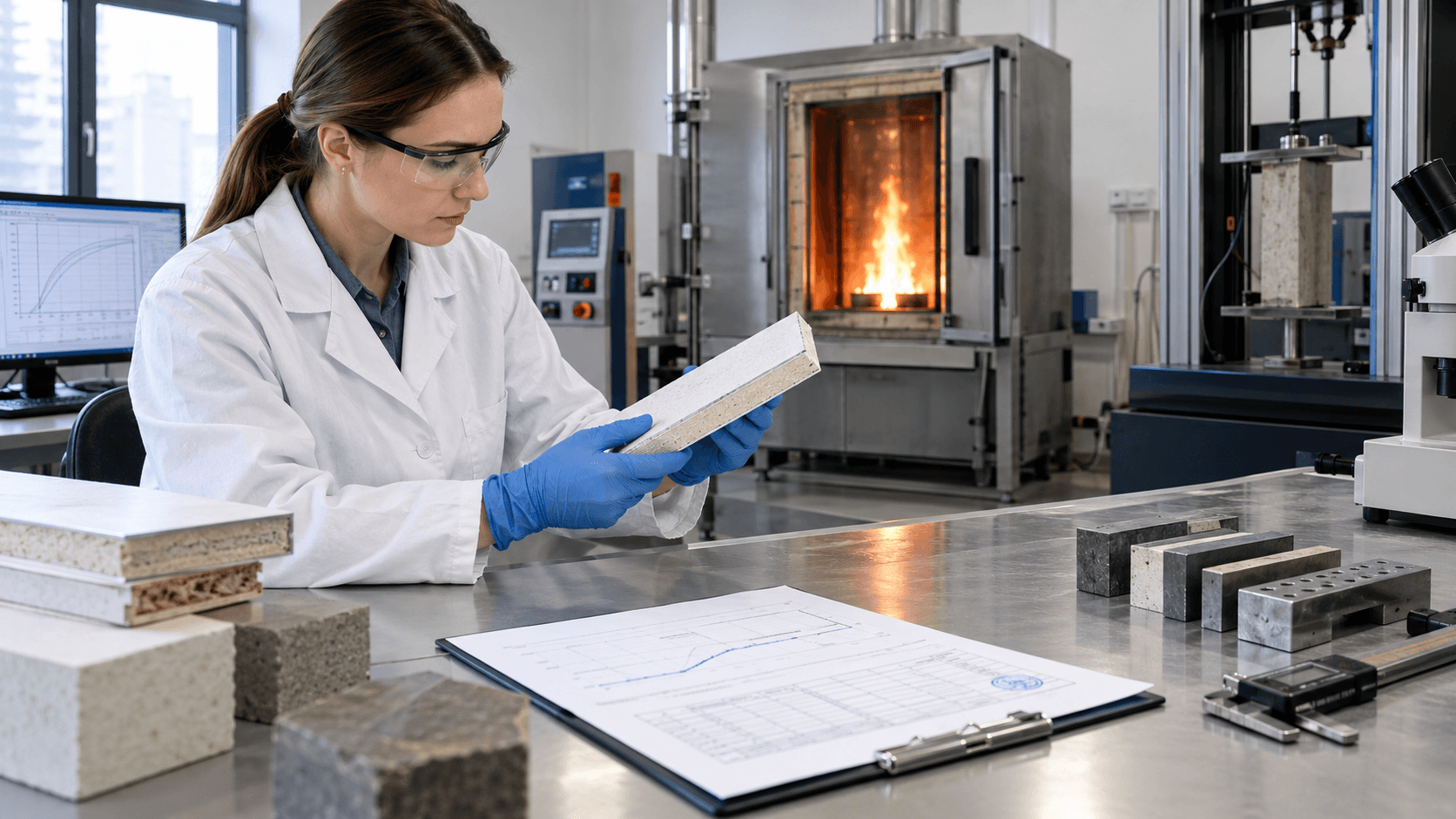

Why NG class is mandatory for public buildings
Understanding fire safety requirements for public buildings and explaining material classification.
Class NG means that the material is non-combustible and does not support combustion. This is the highest class of fire safety for finishing materials, mandatory for public buildings.
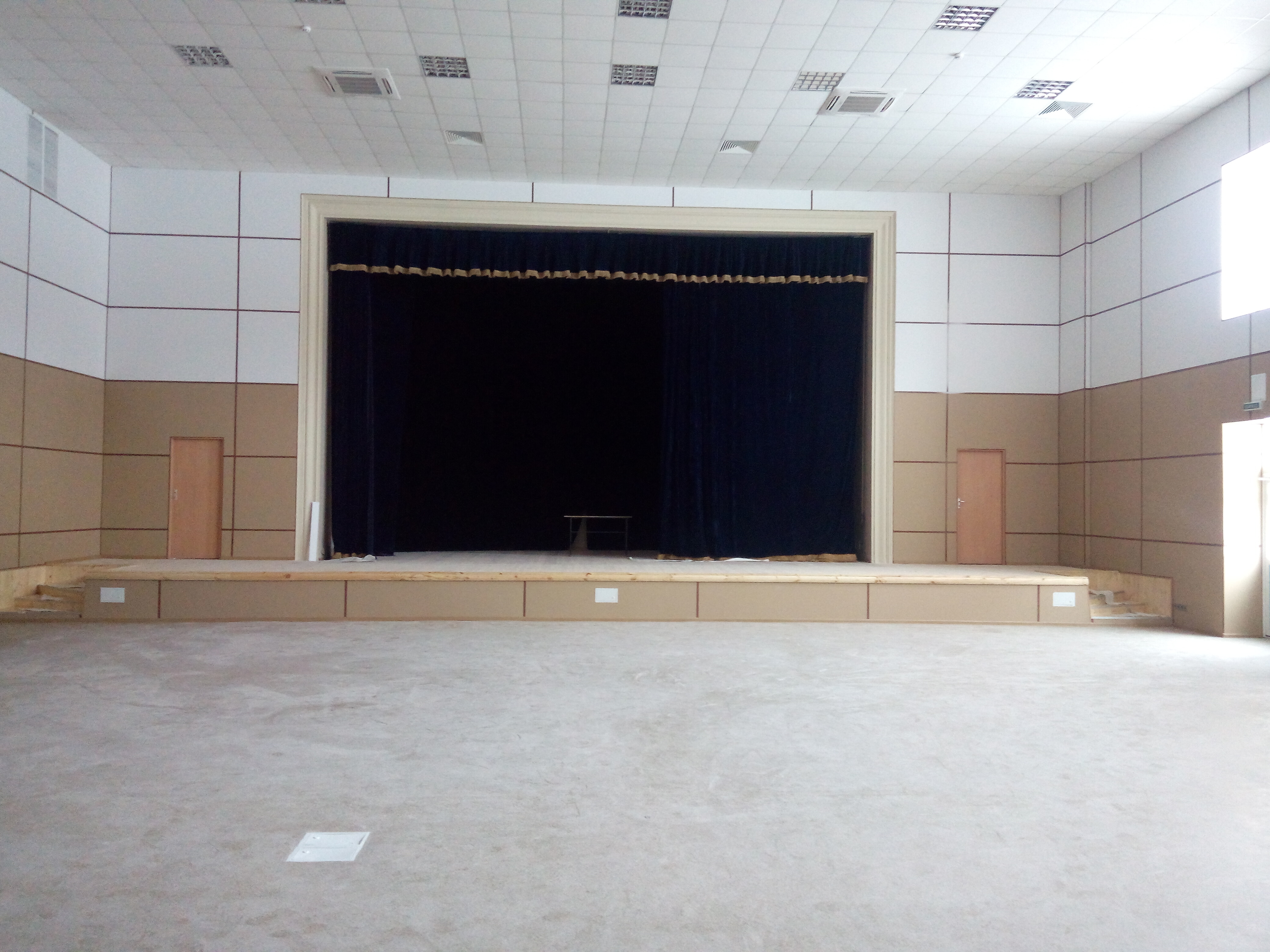
Youth Centre in Zaporizhzhia — an example of using NG materials
What does NG classification mean
The class of constructive fire hazard (NG) is determined by a complex of indicators: combustibility (G), ignition (V), smoke generation (D) and toxicity (T).
ClassCharacteristicsApplicationNG-0Non-combustible, non-smoking, non-toxicAll public buildingsNG-1Low-combustibleAllowed with restrictionsNG-2Moderate-combustibleTechnical spacesNG-3Normal-combustibleProhibited
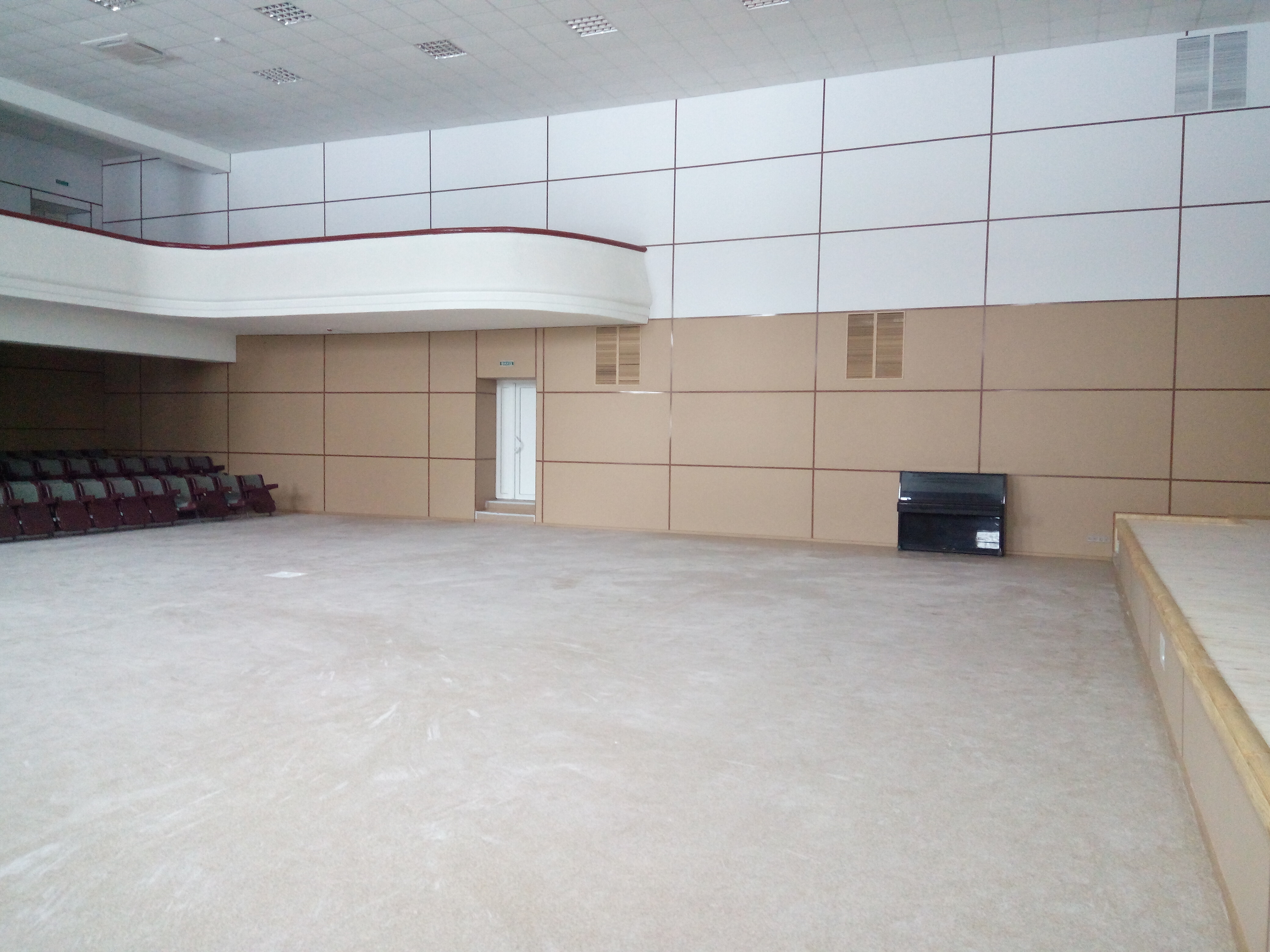
Interior of a public building with GYPSUN panels
DBN V.1.1-7:2016 Requirements
According to State Building Standards, evacuation routes and public spaces with mass occupancy must use NG class materials:
Evacuation corridors and stairwells
Assembly and conference halls
Shopping centres and shops
Educational and medical facilities
Administrative buildings

Administrative Services Centre in Dobropillia
Advantages of GYPSUN NG class panels
GYPSUN class NG panels are made on the basis of SML and GVL, which ensures their non-combustibility and durability. They have all necessary certificates and can be used in any public buildings.
Key characteristics:
Combustibility: G1 (Low-combustible)
Ignition: B1 (Difficultly ignitable)
Smoke generation: D1 (Low)
Toxicity: T1 (Low-toxic)
Liability for violations
Use of materials of improper class threatens fines and criminal liability in case of fire. SESU inspections regularly reveal violations in public buildings.